
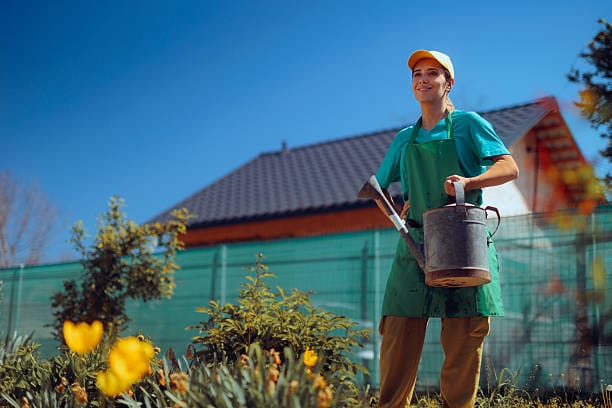
Survival Gardening, I still recall that I was assigned to the first plant that was killed. It was a striking fern that was bought on a whim at a Saturday market. I supposed it would make my gilded 3rd-floor apartment a green, airy Eden. I placed it in full sun and watered it only when I remembered, which was infrequently.
It dried in the horrified eye in a few weeks to a shrivelled brown withering on the spot, and it was that, in ten years, I had become a gardener on a balcony 40 feet long, growing pounds of tomatoes, peppers and herbs upon it.
That was what I learned most about urban gardening: that nature is not interested in the decoration of your house, but in biology. Your backyard is not needed, even when you are in the city and desire to touch the ground with your hands. The only things necessary are a plan, a reasonable degree of patience, and a willingness to realise that things will be somewhat messy.
In light of these lessons, we must now leave my own experience behind and examine the field’s how-to manual. And now it is time to discover more about the way you can transform a piece of concrete into a green micro-ecosystem. All this has been learnt by trial and error, by the spilt soil, which in some cases is very costly.
Step 1: Audit your microclimate ( The Sun Trap Reality).

Be a detective before you can purchase a seed. This is an often-omitted step for beginners. They take home the plants they prefer, rather than picking the ones growing on their balcony.
Stand outside. Which way are you facing?
- South-facing: It is the most preferred location for vegetables because it receives the most sunlight, which tomatoes and peppers favour. However, in Jul,y it is a furnace, and you have to water frequently.
- Northward: You are a pretty fool of a shade. Peppers can be ignored, but the leafy greens, spinach, kale, and lettuce are also perfect in these regions because they do not bolt during hot seasons.
- The Wind Tunnel Effect: Gardens on high-rises also pose a significant challenge to wind flow. Leaves and soil can be blown away by wind at high speeds from heights above five floors. I have been taught by a strong wind blowing upon my sunflowers. Plant smaller plants or install barriers (e.g., bamboo fencing) when you inhabit a windy environment.
We have discussed the climate of your balcony; we now turn to another feature of balcony gardening: the use of containers, with space and weight being taken into serious consideration.
The following safety fact that is necessary but not exciting is: wet soil is heavy. A terracotta pot filled with moist soil can weigh over 50 pounds. Stuffing the balcony with ceramic pots does not simply damage your back. In severe cases, it can be a building problem. This is uncommon in modern construction but noteworthy.
I have primarily used material grow bags or high-quality plastic compounds.
- Fabric Pots: These are not considered aesthetically appealing, but they are highly efficient. They assist root growth and efficiently extract surplus water. They can also be folded and stored at the end of the season.
- Drainage is required: unless the pot has holes, it functions as a bathtub rather than a planter. Your plant roots will rot. I use a drill to make additional holes in plastic pots to improve drainage.
- the soil. The Soil Situation: We have packed your containers, sorting, but we are now obliged to turn to another mainpart of them:
In this case, I would observe widespread failure. They purchase the best soil because it costs 2 per bag. Please do not do it. The earth requires good soil, and not utensils. Containers cause it to become concrete and stifle roots.
You need potting mix. It may not contain real dirt. Typically, it is peat moss or coconut fibre, which environmentally conscious consumers prefer. It also consists of perlite (small white powder particles) and compost. The potting soil is not dense and will not be waterlogged.
Confidentiality: I apply some slow-release plant food in the early part of the season. The potted plants do not have access to the plants in the ground. They are depending on you to feed them. They will not perform well when they are not fed.
Selecting Your Roommates”
Every plant must “ay its rent in a limited space. I use a hierarchy of utility:
- Herbs: The best deal ever. One of the basil packs in the store will last 2 days at 4. It will cost me $4 to purchase a basil plant for the whole summer. Mint is a fast and tough plant, and it should not be planted elsewhere in another pot; it will take over all the others.
- Greens: Lettuce, arugula, and chard are the best, as you can remove the outer leaves and use them in salads, and the plants will continue growing.
- ‘he ‘Divas’ (Tomato’s/ ‘epper’): These are the ones that need most sunlight, water, as well as attention. But nothing is like the taste of a homegrown cherry tomato that has been sun-cooked.
The Water Ritual
Pots on a balcony in July are as hot as an ant under a magnifying lens. The soil can reach 100°F. You do not need to schedule water; water; water when you think it should. Insert a 1-inch finger into the soil. When it is dry, pour until all the water has been used up at the bottom.
Incidentally, when you are busy or away (trip), consider water bottoms (self-watering planters) to pots or even plain drip spikes. I preserved my chilli plant during a 1-week vacation by placing a wine bottle upside down in the ground. It was bizarre, yet it worked.
This brings us to the ethical implications of the use of chemical pesticides in crop planting and pest management, before we move on to harvest and subsequent plant care. You can imagine that you will be on the 4th and that you will be safe from bugs. It does not. The spider and aphid mites are either windborne or flyborne.
You can catch bugs when you see them, you will see them, and then make a beeline for one of your heavy sprays, poisons that kill insects that are your friends, pollinators like bees and ladybugs. Instead, put a little water with diluted mild dish soap or Neem oil. Spray theundersidess of the leaves every few days. Consistent gentle management will prevent pest infestations and maintain a healthy ecosystem.
Why We Do It
Balcony gardening is ridiculous on almost every front. There will be a lower price for buying vegetables. It involves removing items from the rooms occupied by people. You will get muddy.
It contentedly cuts off the heads of marigolds in favour of city beauties. Balcony gardening brings you into the seasons of contemporary life. It is all success with the first bite of a homegrown cucumber.
Frequently Asked Questions
1. Is it any better that I might put in the dirt I can acquire in a neighbouring park in my pots?
The park soil is so thick with too many insects, too many weed seeds, or too many diseases. It smothers your plants. Container gardens should always be chosen in a potting mix.
2. This is the question of the weight of an average balcony.
Contemporary balconies have a capacity of 60-100 lbs/ sqft, age, and construction. Lightweight pots and mixtures should be made of plastic or cloth. Heavy ceramic pots must be against the wall rather than the railing.
3. And what will I be where I cannot get the sunshine on my balcony?
Absolutely! Store together shade-loving plants, including hostas, coleus, and impatiens. The leafy greens, including spinach, kale, and mint, are a good choice in the shade for eating rather than for fruits.
4. How shall I not wet my neighbour who is a resident below me?
Balcony etiquette you cannot afford to miss! And never put pots always without trays or Don’tces. Don’t overwater. The soil should also be added slowly to allow it to absorb the material without overflowing.